Ich schluckte schwer während für alle Anwesenden der Schmerz im kleinen Wartebereich des Krankenhauses immer mehr Raum einnahm. Nun wurde klar, was keiner wahrhaben wollte: Es war unmöglich, dass der Sohn noch rechtzeitig zurückkommen würde. Die Mutter lag im Sterben und er befand sich viele tausend Meilen weit entfernt auf einem anderen Kontinent.
Während die Bitternis dieser schmerzhaften Wirklichkeit für die Familie unumgänglich war, schwappte eine Welle lang vergessener Erinnerungen über mich: Nach ungewöhnlich milden Wetter folgte im März 2020 begleitet durch klirrend kalte Temperaturen ein „harter“ Lockdown in meinem sonst so geschäftigen New Yorker Gemeindegebiet. Die Pandemie hatte früher als in Deutschland meinen Tätigkeitsbereich im Griff: Lokale Maßnahmen waren in Scarsdale und Westchester, wo sich unser Pfarrhaus befand, mehr als eine Woche früher als in Deutschland mit harter, durchgreifender Hand der Behörden implementiert worden.
Gleich zu Anfangs dieser Zeit erhielt ich den verzweifelten Anruf eines Gemeindegliedes, dessen Mutter sich mit dem Virus angesteckt hatte und aufgrund der Heftigkeit der Erkrankung innerhalb kürzester Zeit im Sterben lag. Verzweifelt überlegten wir gemeinsam hin und her, welche Möglichkeiten uns bereitstünden, während wir stündlich die Ausbreitung des Lockdowns beobachteten. Wie ein unsichtbarer tödlicher Nebel breiteten sich die Maßnahmen über den ganzen Tri-State aus und beschränkten meine Handlungsmöglichkeiten als Pfarrerin auf ganz wenig Zugänge – zumeist auf digitale Mittel. Ein Zugang zur Intensivstation war mir untersagt worden. So blieb mir trotz aller Bitten des Sohnes nur die Möglichkeit, eine digitale Begleitung via iPhone bzw. Smartphone vorzuschlagen. Bis heute ist mir das verzweifelte Weinen des Mannes im Ohr, dessen Mutter in solch einer Weise ohne physisch präsenten Trost und isoliert sterben musste. (Wie ich damit in der darauffolgenden pandemischen Zeit umging, ist ein ander Mal Teil eines Blogeintrags…)
Viele Jahre verdrängte ich diese berufliche Erfahrung bis vor wenigen Tagen die Erinnerung durch eine Sterbebegleitung wieder unglaublich präsent wurde.
Im Nachgang fiel mir auf, dass ich mich beim Verdrängen und Wiedergewinnen von Erinnerung in guter, wenn auch inhaltlich anders gelagerter Gesellschaft biblischer Figuren (Gen 40-41) befand: Der Mundschenk des Pharaos hatte eine andere schmerzhafte Erfahrung zwei Jahre lang verdrängt bis die Not des Pharaos ihn wachrüttelte und er sich an den Mithäftling und Traumdeuter Josef erinnerte. Dieser hatte ihm damals seine Träume erklärt, ihn getröstet und Perspektiven aufgezeigt. Als die verdrängte Erinnerung wieder präsent wurde, öffneten sich wichtige Möglichkeiten der Hilfe, die ohne diese Erfahrung nicht dagewesen wären.
Ich war weder Mundschenk noch Mann, sondern eine evangelische Seelsorgerin, die nach Möglichkeiten im eigentlich Unmöglichen der nicht überbrückbaren Distanz zwischen Sohn und Sterbender suchte. Erst war es eine vage Idee im Nebel der Erinnerung. Mit dem Hinweis aber auf stundenlange Telefonate mit der gezwungen abwesenden Person, die die Familie führte, trat eine Hilfsidee immer klarer aus meinem Nebel der Erinnerungen hervor: digitale Möglichkeiten.
Vorsichtig erwähnte ich die Idee einer Audionachricht, die der Sterbenden vorgespielt werden könne, um so die Meilen wenigstens für einen Moment dahinschmelzen zu lassen. Der Sohn hatte nur eingeschränkten Zugang zum Internet, aber eine Nachricht lies sich gut übertragen.
Die Familie nahm den Gedanken dankbar an. So konnte der Sohn zumindest noch seiner Mutter all das sagen, was er zu auf dem Herzen trug.
Für mich selbst war es eine tiefgreifende Erfahrung im Umgang mit erlebten schweren Zeiten, die ich allzu gern einmal verdränge. Manchmal liegt der Segen einer schweren Erfahrung nicht darin, dass sie mich und Sie verändert hat, sondern darin, dass wir uns im richtigen Augenblick an etwas erinnern, das einem anderen Menschen dann aufgrund des Lernhorizontes danach zum Segen werden kann.
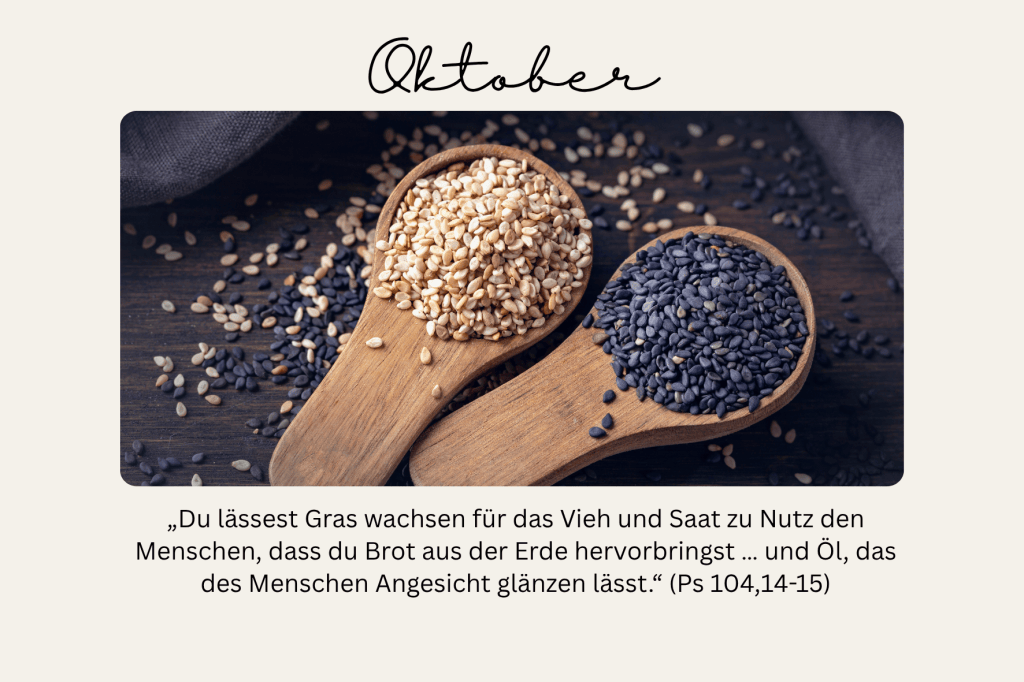
Während ich das Kalenderblatt meines selbstgemachten Monatskalender von September auf Oktober umsteckte und damit ein Auszug aus Psalm 104 erschien, gingen meine Gedanken dankbar zurück zu einer überraschenden Anfrage.
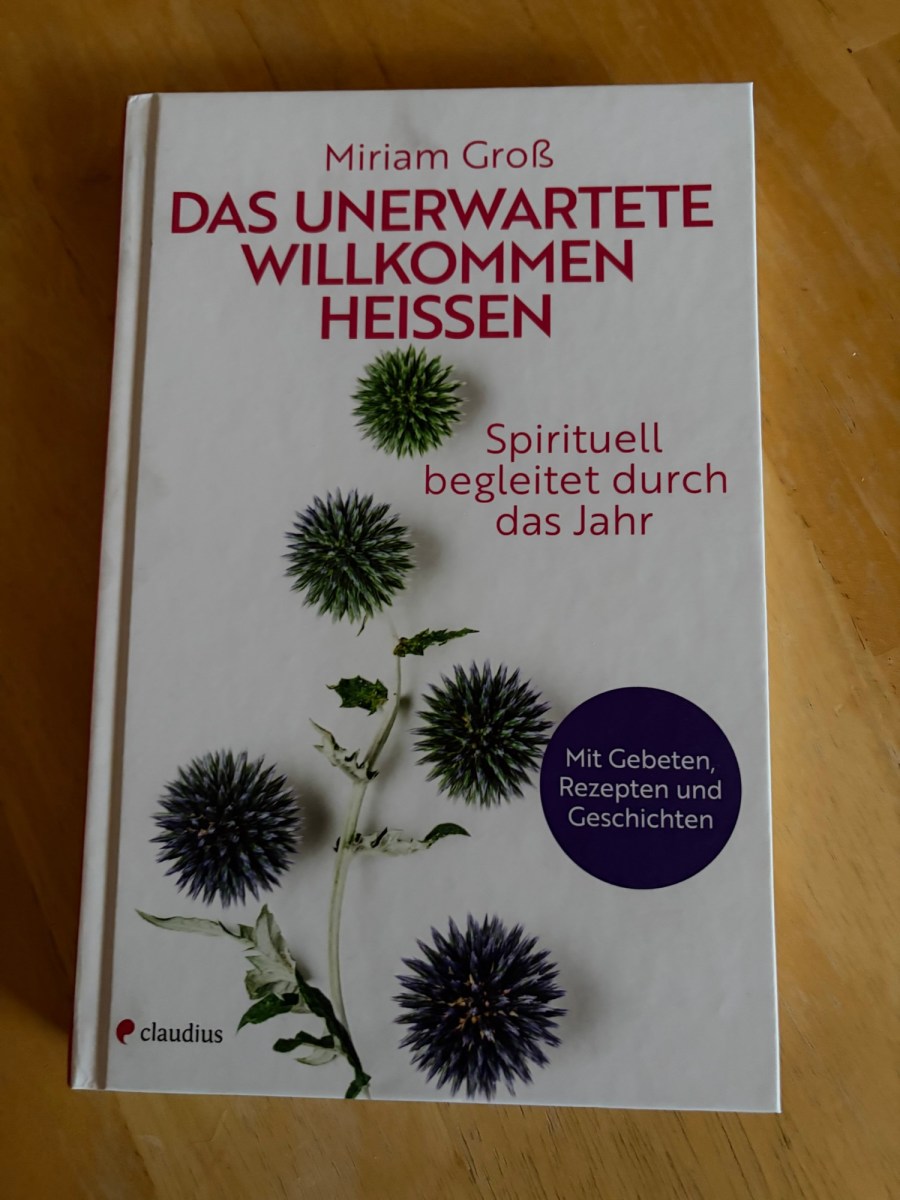
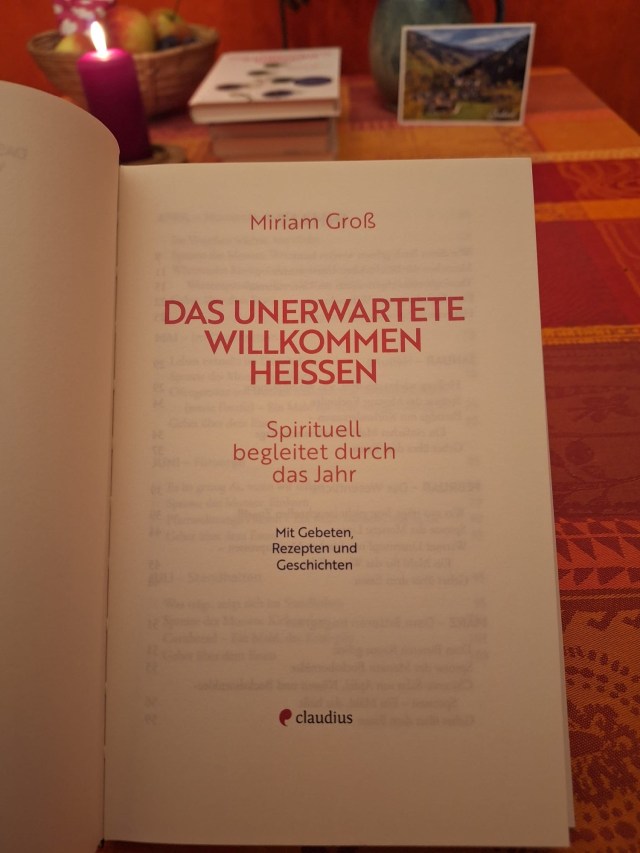
Eine unbekannte Nummer war während meiner Mittagspause auf dem Display meines Handys erschienen. Ich erinnere mich noch gut, wie ich vor dem jüdischen Museum Fürth stand und auf die Rückkehr meiner Lehrgruppe wartete, die als Teil ihrer polizeilichen Ausbildung mit mir dort ein Seminar besuchen sollten. Als ich abnahm, kam mir eine warme, freundliche Stimme mit einer ungewöhnlichen Anfrage entgegen: Ob ich mir vorstellen könne, mich auf ein erneutes Abenteuer mit dem Claudius Verlag zu begeben und nach „Hallo, Mrs. Father“ ein weiteres Buch schreiben würde?
Diese Anfrage war völlig unerwartet.
Ich schluckte. Zu diesem Zeitpunkt war ich eingespannt zwischen einem anspruchsvollen Berufung als Polizeiseelsorgerin und den Herausforderungen einer vierfachen Mutter, deren Kinder sich auf dem Sprung in die Berufstätigkeit befanden.
Doch Andreas Rode, mein Lektor, blieb dran. Geduldig. Immer wieder nachfragend begleitete er mich durch so manchen persönlichen Sturm und nahm meine Schreibblockaden stoisch hin, die sich über viele Monate erstreckten.
Und dann kam der Moment, an dem nach langem Hadern endlich der Groschen fiel.
Ich hatte für unsere Familie und nahestehende Freunde einen Sprossenkalender zu Weihnachten gestaltet. Diese grüne, vitaminreiche Kleinigkeit lag mir schon immer sehr am Herzen. Daher wollte ich diese Passion mit denen teilen, die mir wichtig waren. Hierzu wählte ich Sprossen aus, die mit einem spezifischen Geschmack mich an eine bestimmte Lebensstation oder einem Ereignis erinnerten.
Kalenderblatt Oktober
Dies inspirierte mich dazu, im Buch noch einen Schritt weiter zu denken und zu gehen: Warum nicht diese persönlichen, oft sehr überraschenden Momente und Anekdoten als Pfarrerin und Familienfrau aus meinem Leben und Alltag mit anderen teilen?
Bald entstand daraus das neue Buch, das als Jahresbegleiter anderen einfache Rezepte aus meiner „Alltagsküche“ schenkte, die garniert mit leckeren Sprossen und begleitet durch Geschichten rund um eine Spiritualität hoffentlich anregend, inspirierend und nährend sein würden.
So ließ ich mich auf das Unerwartete ein und hieß nach langem Hadern dieses Buchprojekt willkommen…
Nun freue ich mich, gemeinsam mit der christlichen Buchhandlung Seitenwechsel unterstützt durch den Claudius Verlag (https://claudius.de) am 26. Nov 26 um 19 Uhr in Nürnberg einen Genussabend anbieten zu können, an dem ich einige Rezepte kochen werde und aus meinem Buch lese.
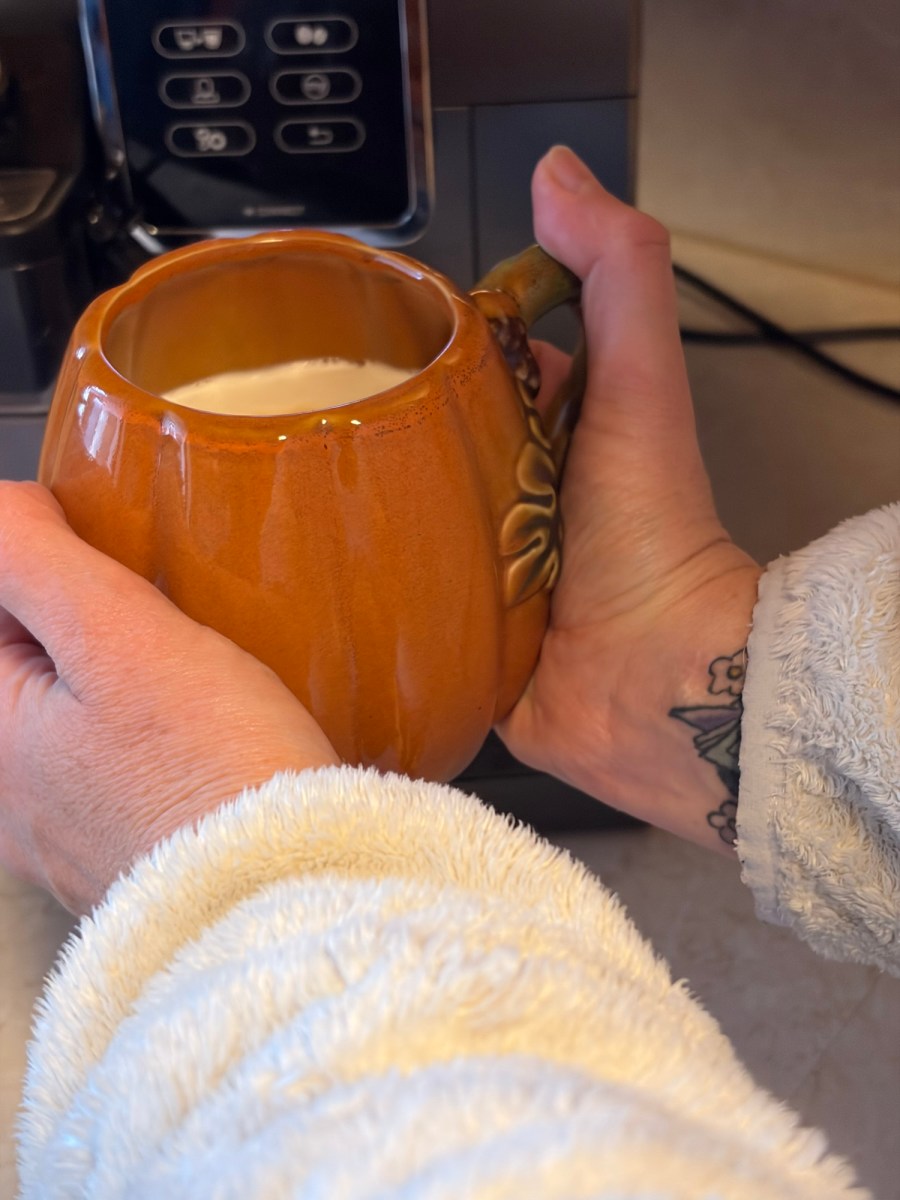
Mit einem leichten Druck betätigte ich meine Kaffeemaschine. Wie in den letzten sechseinhalb Jahren schaltete sie sich verlässlich mit einem laut ratternden Geräusch gefolgt von einem leichten Fauchen an. Während ich den Milchbehälter an seinen Platz schob, gingen meine Gedanken zurück zu unserem Neubeginn in Deutschland.
Nach gut sieben aufregenden, interessanten, aber auch anstrengenden Jahren waren wir wieder nach Franken zurückgekehrt.
Als kleines Trostpflaster hatte mir damals meine Patin als Überraschung diesen Kaffeevollautomat geschenkt. Sie kannte meinen Geschmack und meine Vorlieben gut: ein großer Pott, viel Milchschaum und ein kräftiger Schuss Espresso… Seitdem genoß ich täglich mindestens einen, manchmal auch zwei oder drei herrlich luxuriöse Tassen Milchkaffee mit extra viel Schaum.
Ich barg die orangene Tasse in Kürbisform in meinen Händen und nahm einen kräftigen Schluck.
Voller Dankbarkeit dachte ich an meine Patin während die weisen Worte des Psalmisten meine Gedanken mit Wärme umgaben:
Lobe den HERRN, meine Seele, und vergiss nicht, was er dir Gutes getan hat.
Psalm 103,2
Meine Patin hatte mich ab meinem ersten Lebenstag in unterschiedlicher Dichte begleitet. In den letzten Tagen war ich es gewesen, die sie auf dem letzten Stück ihres Lebensweges im Sterben begleitet hatte. Dankbarkeit und Trauer flutete meine Gedanken während ich einen neuen, warmen Schluck genoß.
… und vergiss nicht, was er dir Gutes getan hat.
Warum um alles in der Welt ist unsere deutsche Gesellschaft so rücksichtslos Menschen gegenüber, die sterben und diejenigen, die diese begleiten? In ihren letzten beiden Lebenstagen hatte ich zwischen Online-Meetings, Bedürfnissen der mir Anvertrauten und dem Südklinikum gependelt. Die unbarmherzige Härte des Alltags hatte trotz allem nicht nachgelassen.
Ganz anders kenne ich dies von meiner jüdischen Freundin in New York. Als deren Vater im Sterben lag und dann kurze Zeit später verstarb, hatte sich die Kernfamilie zur siebentätigen Shiva in ihrem Haus versammelt. Am letzten Tag öffnete sich deren Haus der Tradition nach auch Freundinnen wie mir, die als erweiterte Familie präsent waren.
Doch unsere deutsche Gesellschaft hat einen unbarmherzigen Rhythmus, der gesellschaftlich betrachtet wenig bis keine Zeit für Sterben und Trauer lässt. Historisch war das vor dem zweiten Weltkrieg anders. Nun aber ist dies fast nur im Bereich des Privaten verortet.
… und vergiss nicht, was er dir Gutes getan hat.
Tag um Tag hat mich die Kaffeemaschine an meine Patin erinnert. Bis jetzt eher als Mahnung wieder einmal anzurufen oder zwischen all den Terminen zumindest eine Nachricht zu schreiben. Ab nun aber wird mich das Rattern, Fauchen und Schnorcheln, das Brühen und Genießen des Kaffees daran erinnern, wie gesegnet ich mit dieser Patin gewesen war.
Mit der heißen Tasse Kaffee in der Hand schloss ich meine Augen zum Dankgebet, denn ich wollte auf keinen Fall vergessen, wieviel Gutes wie diese Patin Gott in mein Leben gelegt hat.
Das oben erwähnte Gebet bleibt zwischen mir und Gott. Aber ich habe darüber ein Kaffeegebet formuliert, das vielleicht eine Anregung im eigenen Zuhause oder im Büro oder wo auch immer die Kaffeemaschine stehen mag, sein kann.
Herr,
ich danke dir für diesen Kaffee,
für seine wohltuende Wärme,
seinen wunderbaren Duft und seinen Geschmack,
der mich anregt.
Danke, dass ich in all dem Trubel ein wenig innehalten kann.

... und vergiß nicht, was er dir Gutes getan hat.

Ich danke dir für diejenigen,
die diesen Kaffee möglich gemacht haben:
die ihn angebaut, gepflegt und geerntet haben,
geröstet, transportiert und im Laden verkauft haben.

... und vergiß nicht, was er dir Gutes getan hat.

Ich danke für die Menschen,
die meinen Weg begleiten:
für diejenigen, die mit mir lachen und weinen,
die mir ein Ohr schenken,
mich im Schweren ermutigen und mir in Trübsal helfen.

Ich danke dir für gemeinsame Wege,
für anregende Gespräche und berührende Begegnungen,
und für die, deren Spuren trotz ihres Versterben
in meinem Leben als Erinnerung geblieben sind.

Ich danke dir für das ewige Leben,
das mir durch Christus geschenkt wird.

Öffne mit jedem Schluck dieses Kaffees meine Augen und mein Herz
für all das, was mir an Gutem von dir geschenkt wird.

Und wenn diese Tasse dann leer ist
und der Alltag erbarmungslos weitergeht,
lass die Dankbarkeit als Spuren deines göttlichen Segens bleiben.
Amen.
Dieser Blog begann im Sommer 2014 vor unserer Ausreise nach New York, USA, ganz harmlos durch eine Anfrage des Sonntagsblatts in München. Sie begleiteten mich auf meinem Weg der Ausreise, während meiner New Yorker Zeit und auch bei dem Rückzug nach Bayern.
Mit dem Übergang in eine Sicherheitsbehörde und meiner Arbeit als Bundespolizeiseelsorgerin verstummte dieser Blog nach und nach, da vieles nicht aussprechbar war. Dennoch prägte mich diese Zeit in ganz besonderer Weise. Ich danke all denjenigen, die während dieser schweigsamen Jahre zwischen dieser und der jetzigen Stelle nicht losgelassen und mich manche still, einige nachfragend und etliche sogar mit öffentlichen Kommentaren und Reposts erinnernd begleitet haben.
Nun bin ich seit Mai 2025 wieder in meiner bayerischen Heimatkirche und versuche mit einem engagierten Team die pfarramtliche Ausbildung nach den Wünschen der Kirchenleitungen umzusetzen.
Schmerzhaft wird mir dabei bewusst, dass mein Blick auf Kirche und Gesellschaft verglichen mit vielen meiner Kolleginnen und Kollegen durch meine unterschiedlichen beruflichen und privaten Stationen ein sehr anderer ist. Franken, Schottland, Bayern, New York, Polizei und nun Leitung sind ein Potpourri an bunten Erfahrungen. Nach meiner Rückkehr aus diesen unterschiedlichen Kontexten kam mir wenig Interesse, geschweige denn Begeisterung entgegen. Dafür wurde mir in manch direkter Weise oder kollegial angeblich gut gemeinter Beratung entgegengebracht: „Das interessiert doch keinen, was in anderen Kirchen im Ausland passiert!“ oder „Wir müssen uns um unsere Kirche bemühen, nicht um das, was andere wollen oder meinen, dass gut ist!“ und so vieles mehr. Nach vielem Schweigen werde ich mich bemühen, meine ganz eigene Perspektive wieder öffentlich hörbarer auszusprechen und davon zu berichten. So tauche ich nun auf und erzähle mit einer guten Brise eigenem Mutzuspruch von meinen Gedanken – immer mit gewürzt mit einem Einblick in mein persönliches Erleben. Denn Glaube und Leben werden durch Personen am besten greifbar.
Zwischen Rinde und Borke – Leitung und Führung in der mittleren Ebene
Sprache hat Macht. Sie schafft Wirklichkeit, oft ohne dass wir es bemerken. Manchmal eröffnet sie Räume, manchmal begrenzt sie unseren Blick. Und gelegentlich bringt sie uns ins Stocken – hält uns an, noch einmal hinzusehen, genauer zu hören, weiterzudenken.
So ist es mir mit einer Redewendung ergangen, die mir lange vertraut war und die mir doch erst in den vergangenen Monaten neu zu denken gegeben hat: „Zwischen Rinde und Borke“.
Vielleicht liegt es auch an meiner eigenen Situation. Seit nunmehr einem Jahr bewege ich mich in einer mittleren Leitungsebene, wachse in diese Rolle hinein und merke zugleich, wie sehr sich die Kirche, in der ich arbeite, in einem tiefgreifenden Veränderungsprozess befindet. Vieles ist im Fluss, manches noch unklar, anderes bereits spürbar in Bewegung geraten.
In diesem Zusammenhang hat sich die vertraute Redewendung anders zu Wort gemeldet. Nicht mehr nur als Beschreibung einer unangenehmen Lage, sondern als ein Bild, das Fragen stellt. Fragen danach, was dieses „Dazwischen“ eigentlich meint – und ob es tatsächlich nur Enge beschreibt.
Was als beiläufige Irritation begann, hat meinen Blick auf Leitung in dieser mittleren Ebene verändert.
In diesem Blogeintrag will ich Sie auf diese Entdeckungsreise mitnehmen.
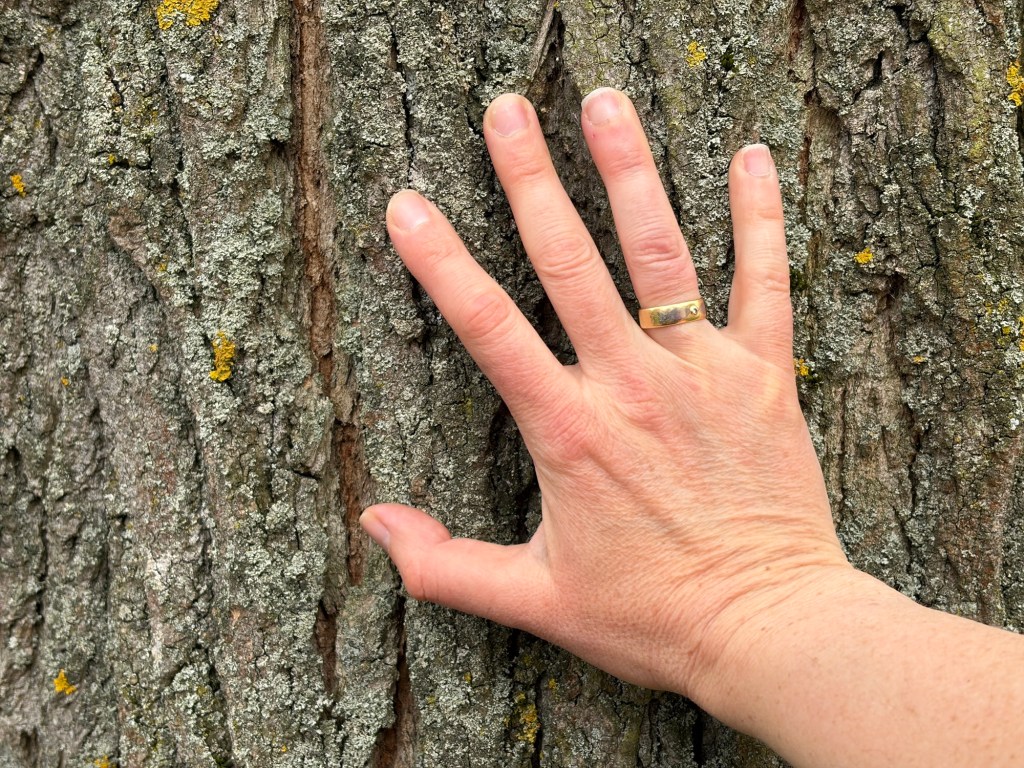
Meine Hand lag ruhig und schwer auf der Rinde des großen Baumes, der sich nahe unserer Wohnung auf dem kleinen Gedenkplatz erhob. Ich strich über die raue Oberfläche und spürte, wie die harte Rinde an meiner Haut rieb. Mein Blick folgte meiner Handbewegung – immer wieder etwaige Zwischenräume suchend. „Zwischen Rinde und Borke“, wo war nur dieser Zwischenraum?
Plötzlich war ich nicht mehr im schattigen Grünen des kleinen Platzes, sondern abendlich in einer digitalen Besprechung, die einiges von mir gefordert hatte. In Windeseile war ich zwischen Ebenen geraten. Seufzend hatte ich daher impulsiv Unbehagen über diese Situation zwischen Rinde und Borke geäußert. Eigentlich hatte es sich eher wie ein Zermalmen zwischen Mühlsteinen angefühlt als nach einem lebendigen Ort wie dem eines Baumes.
Die Handbewegung kam zum Stocken während sich mein Ehering an einer Hervorwölbung der Rinde verkeilte. Da ich den benannten Zwischenraum zwischen Borke und Rinde nicht finden konnte, gab ich nun auf und nahm mir vor, der Redewendung etwas mehr auf den Grund zu gehen.
Die Suche nach diesem Zwischenraum ließ mich in den nächsten Tagen nicht los. Vielleicht gerade deshalb, weil das Bild so selbstverständlich daherkommt, als müsste es ihn geben. „Zwischen Rinde und Borke“ – das sagt sich leicht. Fast beiläufig. Und doch trägt diese Redewendung eine eigentümliche Schwere in sich. Sie beschreibt nicht nur ein Dazwischen, sondern ein Dazwischen, das keinen eigenen Raum kennt. Eine Lage, in der man sich nicht einfach zuordnen kann, in der man weder ganz auf der einen noch auf der anderen Seite steht. Ein Ort ohne eindeutige Verortung.
So kam ich mir manchmal als Rektorin und damit als Teil der mittleren kirchlichen Leitungsebene vor.
Die Erfahrung, zwischen Erwartungen zu stehen, zwischen unterschiedlichen Blickrichtungen, die sich nicht ohne Weiteres miteinander in Einklang bringen lassen riß mich immer wieder hin und her – und manchmal hatte ich das Gefühl, dass mir die Luft abgeschnitten wurde.
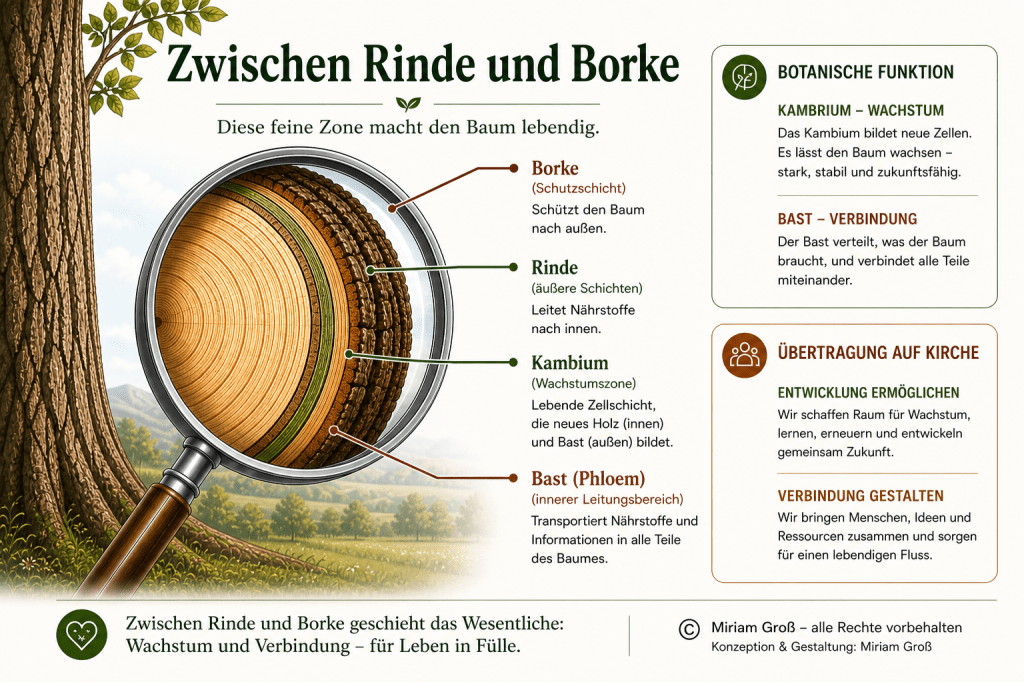
Botanisch betrachtet gibt es den von der Redewendung implizierten Zwischenraum gar nicht. Die Borke ist kein Gegenüber zur Rinde, sondern ihr äußerster Teil. Was wir im Alltag als Rinde bezeichnen, umfasst bereits das, was wir sprachlich von ihr so leichtfertig abgrenzen.
Näher betrachtet besteht ein Baum aus dem inneren Holz – für mich ein Sinnbild für Kirchenleitung, Synode und kirchliche Strukturen. Dann aber wird es spannend, denn daraufhin folgen Kambrium und Bast, die für mich die mittlere Leitungsebene symbolisieren.
Aspekt
Bast (Phloem)
Kambium
Botanische Einordnung
Innerer Leitungsbereich der Rinde
Wachstumszone (lebende Zellschicht)
Funktion im Baum
Transportiert Nährstoffe und Informationen in alle Teile des Baumes
Bildet neue Zellen – nach innen Holz, nach außen Bast
Bedeutung für den Baum
Verbindet alle Teile und sorgt für Versorgung
Lässt den Baum wachsen, stärkt ihn und macht ihn zukunftsfähig
Bringt Informationen, Erfahrungen und Bedürfnisse zwischen Praxis und Leitung in Bewegung
Entwickelt tragfähige Lösungen und verarbeitet Spannungen zu neuen Wegen
Wirkrichtung
fördert Austausch, Verständnis und Beteiligung
übersetzt Unterschiede in gemeinsame Formen und ermöglicht Weiterentwicklung
Bedeutung für das System
hält Verbindung lebendig und überträgt, was trägt, in den Alltag
stärkt das, was Zukunft trägt, und ermöglicht strukturelle Entwicklung
Wenn es fehlt
kein Austausch → keine echte Verbindung
kein Wachstum → keine Zukunft
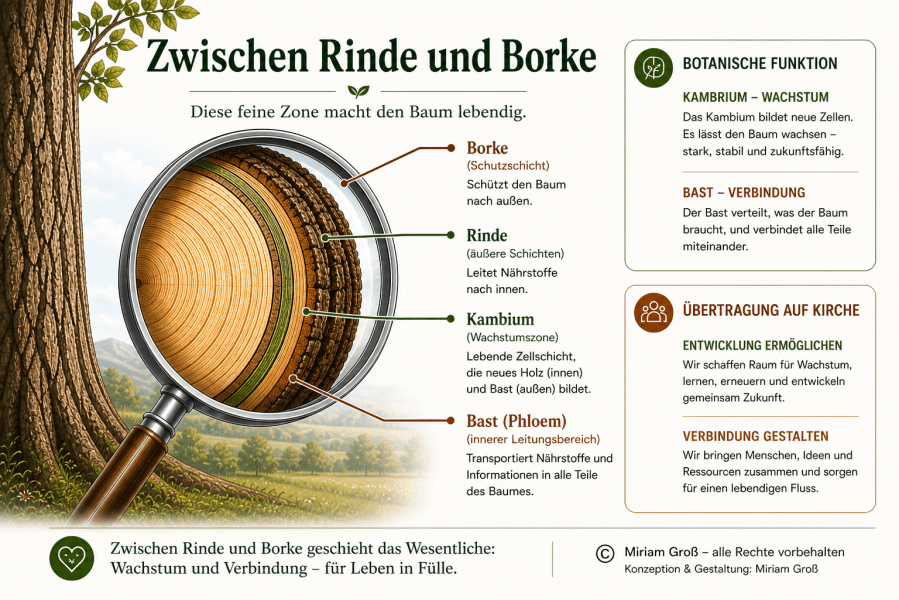
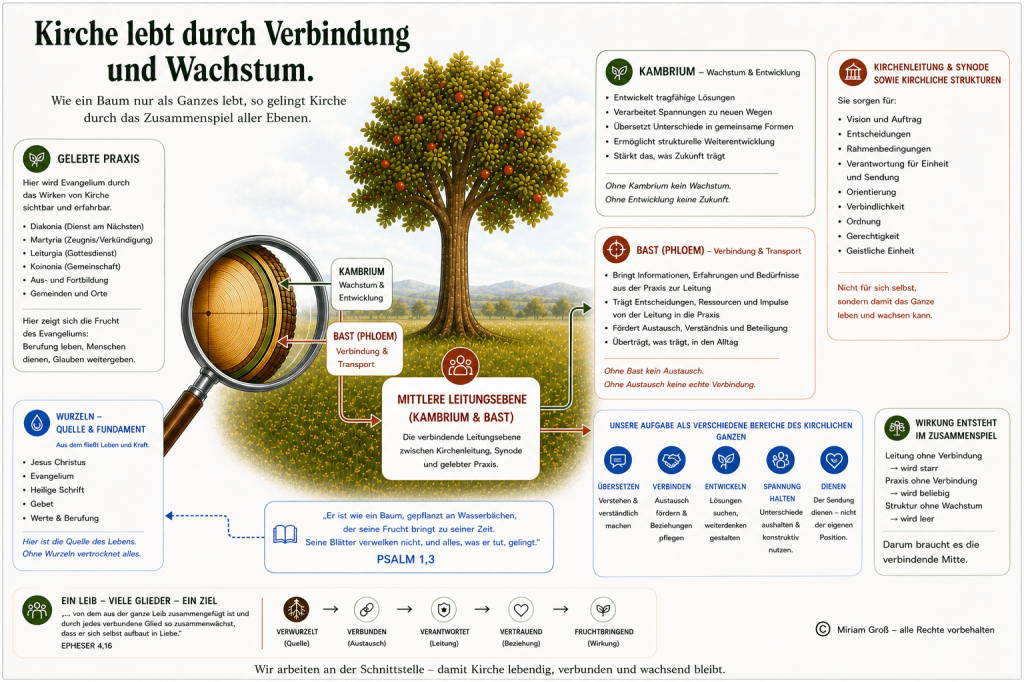
Als ich die Informationen in einer Tabelle zusammenfügte, fing ich an, einiges zu verstehen und versuchte es in eine Abbildung zusammenzufassen. Vielleicht hilft es dem einen oder der anderen, die dies liest:
Gesehen auf die gesamte Kirche ist das Zusammenspiel der verschiedenen Ebenen sehr interessant – von der Wurzel, die in der Heiligen Schrift ihren Halt, ihre Nahrung und Kraft erhält bis hin zum Blätterdach und den Früchten, die das Evangelium durch das Wirken vieler bringt, habe ich meine Gedanken und meiner Fantasie freien Lauf gelassen.
Nun hatten sich endlich Bilder und Begriffe geklärt. Statt einer Enttäuschung über diese Metapher, wich dies einer stillen Einsicht, die mir nun half, meine Situation und die vieler auf der mittleren Leitungsebene in neue Bilder zu gießen. Das Bild vom „Zwischen Rinde und Borke“ ließ sich botanisch nicht verifizieren.
Und doch zeigte sich unter der sprachlichen Oberfläche der Metapher etwas, das ich zuvor so nicht wahrgenommen hatte.
Dort, wo die äußere Schicht endet, liegt nicht Leere, sondern eine feine, lebendige Zone. Der Bast, der verbindet und weiterleitet. Das Kambium, das neue Zellen bildet und Wachstum ermöglicht. Keine starre Grenze, sondern ein Bereich, in dem Bewegung ist, Austausch geschieht und Neues entsteht.
Was ich zunächst als ein eingeengtes Dazwischen verstanden hatte, erwies sich bei genauerem Hinsehen als ein Ort, der alles andere als leer ist. Nicht sichtbar im Vordergrund, aber entscheidend für das Ganze.
Für mich tröstliche Gedanken, damit ich mich weniger zwischen Fronten, Ansprüchen und Anforderungen fühle, sondern Teil einer hochwirksamen Schicht innerhalb des Baumes zwischen Kirchenleitung, Synode, kirchlichen Einrichtungen und dem zu was wir berufen sind: der Weitergabe des Evangeliums in Wort und Tat.
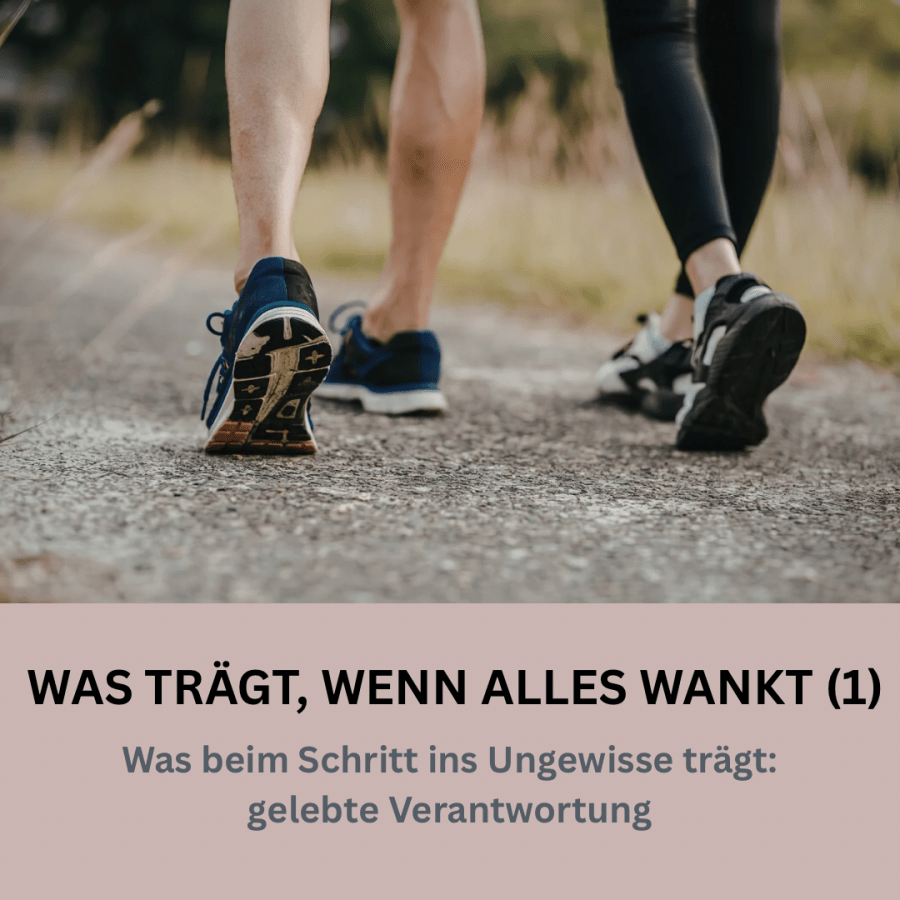
Was beim Schritt ins Ungewisse trägt: gelebte Verantwortung
Vielleicht lässt sich gerade in Umbruchszeiten erst wirklich ermessen, was Leitung trägt und worauf sie gegründet ist. Nicht im Allgemeinen, sondern im Konkreten, im Erlebten, im Rückblick auf Menschen und Erfahrungen, die uns geprägt haben. Mir ist in den vergangenen Monaten aufgrund meiner eigenen Führungsrolle neu aufgegangen, wie sehr eine solche Erfahrung meinen Blick auf Leitung geformt hat. Von ihr ausgehend möchte ich nun eine Spur aufnehmen, die nach den Grundlagen fragt, die Führen und Leiten angesichts des Ungewissen gegenwärtiger Umbrüche trägt.
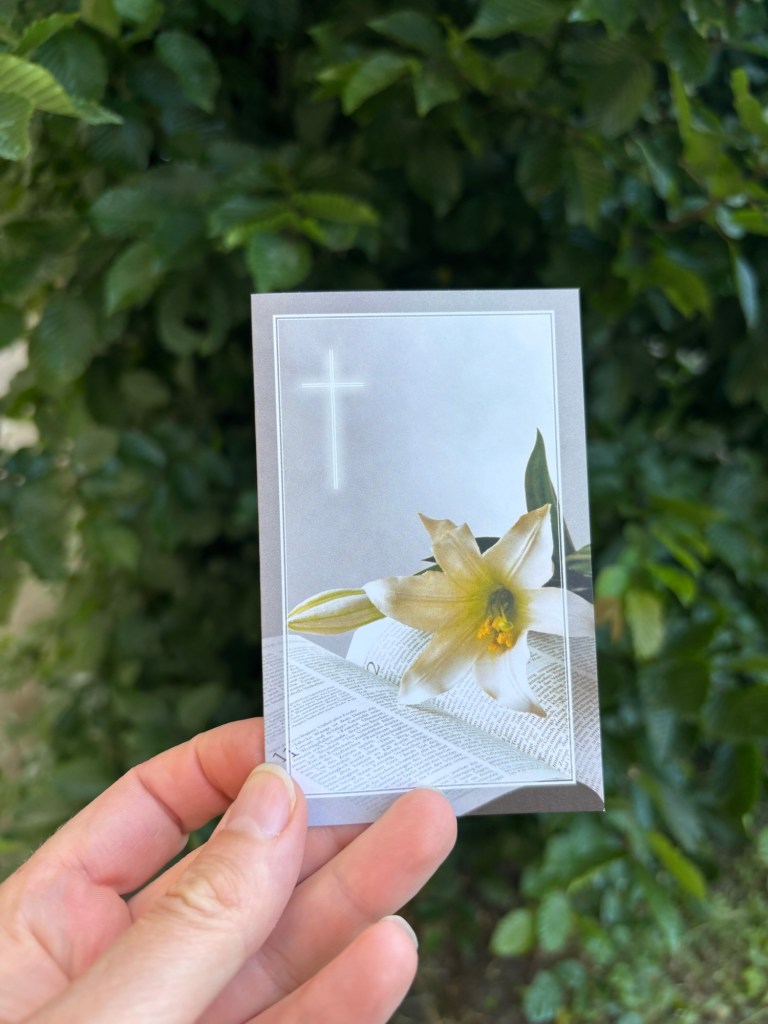
Auf der Rückfahrt klangen die Begegnungen dieses Tages in mir nach, als wollten sie sich nicht so rasch einordnen lassen, wie ich es vielleicht erwartet hätte. Das schlichte Trauerbild lag auf dem Beifahrersitz, und immer wieder fiel während der Rückfahrt mein flüchtiger Blick darauf. Vor wenigen Stunden war meine Mentorin, die mir im Vikariat zu einer wichtigen Begleiterin geworden war, bestattet worden. Die Traurigkeit war noch da, und sie ließ sich auch nicht einfach beiseite schieben, aber sie hatte sich verändert. Sie war durchzogen von einer leisen, stillen Dankbarkeit, die sich nicht in den Vordergrund drängte und doch spürbar wurde.
Dankbarkeit für eine Zeit, in der ich geführt worden war und lernen durfte.
Lange hatte ich diese Erfahrung mit Begleitung und Zuwendung beschrieben, und vielleicht waren diese Begriffe auch nicht falsch, und doch merkte ich, während die Straße vor mir gen zuhause hinzog und die Gedanken sich ihren eigenen Weg suchten, dass sie allein nicht ausreichten, um zu erfassen, was mich damals eigentlich getragen hatte.
Denn meine Mentorin hatte sich nicht darin erschöpft, Nähe herzustellen und mich zu begleiten, so wesentlich dies gewesen ist. Vielmehr hatte sie in all dem etwas gelegt, das darüber hinausging, etwas, das sich erst im Rückblick deutlicher zeigte.
Wenn ich versuche, ihr Leitungshandeln in einen größeren Zusammenhang zu stellen, dann führt mich mein Denken zu einem Bild, das sich durch die biblische Überlieferung zieht und das vielleicht gerade deshalb eine solche Kraft entfaltet, weil es so schlicht und zugleich so tragfähig ist: das Bild des Hirten.
Ich weiß, dass viele nun vielleicht beim Lesen etwas gelangweilt mit den Schultern Zucken mögen. Das Bild mag alt sein. Manchmal auch abgegriffen. Es bleibt dennoch ein gutes Bild für Leitungshandeln.
Schon im Alten Testament wird Gott selbst als der beschrieben, der führt, der trägt und der für sein Volk sorgt, und in der Vertrautheit des Psalters verdichtet sich dies in die Worte:
„Der HERR ist mein Hirte, mir wird nichts mangeln.“
Psalm 23,1
Es ist ein Bild, das von Nähe spricht, von Verlässlichkeit, von einer Form von Leitung, die nicht von oben herab geschieht, sondern aus einer Beziehung heraus, die trägt.
Und zugleich wird dieses Bild dort geschärft, wo Leitung genau dieser Verantwortung nicht gerecht wird. Beim Propheten Ezechiel wird mit großer Deutlichkeit ausgesprochen, was geschieht, wenn Leitung sich von dieser Fürsorge löst:
„Wehe den Hirten Israels, die sich selbst weiden! Sollen die Hirten nicht die Herde weiden?“
Ez 34,2
Es ist, als würde hier ein Maßstab sichtbar werden, der über Zeiten hinweg gilt: dass Leitung sich daran erweist, ob sie sich tatsächlich um die kümmert, die ihr anvertraut sind, und dass sie dort ins Leere läuft, wo sie sich von dieser Aufgabe entfernt.
Im Evangelium nach Johannes wird dieses Bild aufgenommen und zugleich in einer neuen Tiefe entfaltet, wenn Jesus von sich selbst als dem guten Hirten spricht:
„… und er geht vor ihnen her, und die Schafe folgen ihm; denn sie kennen seine Stimme.“
Joh 10,4
Und an anderer Stelle:
„Ich bin der gute Hirte und kenne die Meinen und die Meinen kennen mich.“
Joh 10,14
Beide Sätze stehen nicht nebeneinander, sondern gehören zusammen. Der Hirte kennt, und er geht; und die, die ihm folgen, tun dies nicht aus Zwang oder aus bloßer Erwartung heraus, sondern weil sie ihn kennen und ihm vertrauen.
Vielleicht ist es genau dieses Vertrauen, das den Unterschied ausmacht. Gerade dort, wo Wege ins Unbekannte führen und wo sich nicht im Voraus sagen lässt, wohin ein Schritt führen wird. Denn in solchen Situationen genügt es nicht, sich auf Zuständigkeiten oder Strukturen zu berufen, so notwendig diese auch sein mögen. Ohne Vertrauen lässt sich niemand in das führen, was noch nicht absehbar ist.
Und dieses Vertrauen entsteht nicht in dem Moment, in dem Entscheidungen getroffen werden müssen. Es wächst lange zuvor.
Meine Mentorin hat genau das gelebt, ohne es je programmatisch auszusprechen. Lange bevor größere Zukunftsfragen unserer Landeskirche thematisch aufgenommen wurden, lebte sie bereits ein Konzept, das mir viel gelehrt hat. In der Art, wie sie sich Zeit nahm, wie sie zuhörte, wie sie wahrnahm, was uns bewegte, entstand eine Verlässlichkeit, die nicht laut war und doch trug. Auch duckte sie sich nicht weg, wenn es um Verantwortung in heiklen Situationen ging und stellte sich nie in den Vordergrund, wenn es um ein hierarchisches „Wahrgenommen-Werden“ handelte.
Erst vor diesem Hintergrund wurde es möglich, dass die Gemeinde damals mutige Schritte ging, die nicht selbstverständlich waren. Schritte, die Unsicherheit mit sich brachten und die ohne dieses gewachsene Vertrauen kaum hätten gegangen werden können.
Ein Wort aus demselben Evangelium führt diesen Gedanken noch einmal weiter und vertieft ihn in einer Weise, die mir erst im Rückblick ihre Tragweite erschlossen hat:
„Ich nenne euch hinfort nicht Knechte; denn der Knecht weiß nicht, was sein Herr tut. Euch aber habe ich Freunde genannt; denn alles, was ich von meinem Vater gehört habe, habe ich euch kundgetan.“
Joh 15,15
Es ist, als würde sich hier der gedankliche Horizont noch einmal öffnen. Der Hirte, der vorangeht, bleibt nicht auf Distanz, sondern nimmt die Seinen hinein in das, was ihn selbst bewegt. Was zuvor Vertrauen geschaffen hat, wird hier zu einer Form von Teilhabe, die nicht mehr von außen bestimmt ist, sondern von innen her verstanden werden kann.
Vielleicht liegt gerade darin eine entscheidende Spur für das, was Leitung im Ungewissen trägt. Dass sie nicht darin aufgeht, Wege vorzugeben oder Entscheidungen zu treffen, sondern dass sie Menschen hineinführt in ein Verstehen dessen, was geschieht. Nicht mehr Knechte, die ausführen, sondern Freunde, die mit gehen, teilhaben und mitgehalten.
Und doch bleibt auch dies gebunden an das, was vorausgeht. Denn diese Form von Teilhabe lässt sich nicht herstellen, wenn nicht zuvor Vertrauen gewachsen ist. Sie kann nicht verordnet werden, sondern entsteht dort, wo Beziehung verlässlich geworden ist.
Gerade darin unterscheidet sich eine solche Form von Leitung von einem rein hierarchischen Agieren, das sich vor allem über Zuständigkeit und strukturelle Bevollmächtigung definiert. Das auf eine direktive Umsetzung jenseits von Mitgestaltung pocht. Solche Formen mögen in manchen Institutionen wie Sicherheitsbehörden notwendig sein, da sie Ordnung und Klarheit für den Einsatz und Ernstfall schaffen. Aber in einer Kirche, die sich in einem massiven Umbruch befindet, ist eine starre Hierarchie und damit eine absolute Befehlsstruktur, die die Anvertrauten weder ernst noch wahr nimmt und sie eher als Gegenstände als als Subjekte sieht, aus meiner Sicht fehl am Platz. Denn ohne Vertrauen auf einen Hirten oder eine Hirtin wird eine Herde keine gemeinsamen guten Schritte in die unbekannte Zukunft finden.
Harte Hierarchie ist keine Lösung in Zeiten kirchlicher Ungewissheit. Was trägt, ist etwas anderes.
Es ist das Vertrauen, das gewachsen ist, oft über längere Zeit hinweg und vielleicht dadurch, dass eine Person, die mutig Verantwortung für die ihr Anvertrauten übernimmt. Es ist die Erfahrung, nicht allein zu sein, sondern gesehen und ernst genommen zu werden. Und es ist die Bereitschaft, sich auf dieser Grundlage gemeinsam auf den Weg zu machen, auch dann, wenn der Weg noch im Nebel liegt.
Als ich schließlich zuhause ankam, fuhr ich das Auto in die Garage und schaltete den Motor aus. Plötzlich war es ganz still geworden. Ich griff nach dem Trauerbild auf dem Beifahrersitz, barg es vorsichtig in meiner Hand während die andere beim langsamen Lesen über den Innentext strich.
Ich war einfach dankbar.
Dankbar für ein Vorbild, das mich geprägt hat, weit über diese Zeit hinaus. Dankbar für eine Mentorin, die mir lange bevor Fragen kirchlicher Veränderung überhaupt in der ELKB in den Blick kamen, etwas Entscheidendes gelehrt hat:
Vor einem Schritt ins Ungewisse steht gelebte Verantwortung, die Vertrauen schafft und damit den gemeinsamen Weg in die unklare Zukunft öffnet.
Vielleicht ist es genau das, was trägt, wenn alles wankt.
Zögerlich nahm ich auf einem der mittleren Stühle Platz. Mit einem unsicheren Lächeln grüßte ich in die Runde all jener Gesichter, die mir schon bald sehr vertraut sein würden.
An der Fensterseite des schlichten Tagungsraumes hatte sich ein Team versammelt, aus dem sich nun ein Mann löste. Einer, dem man ansah, dass er mitten im Leben stand. Er trat ans Mikrofon und räusperte sich.
Ich rückte meine Sitzhaltung auf dem einfachen Stuhl zurecht, während ich hinter vorgehaltener Hand herzhaft gähnte. Mein Blick fiel auf die Armbanduhr und mit ihm wanderten meine Gedanken an einen ganz anderen Ort, fast 250 Meilen entfernt. Zeitgleich zum Beginn meines zweiten Vikariats in der Church of Scotland waren meine beiden älteren Kinder um diese Zeit bereits in der Grundschule und im Kindergarten. Mein drittes Kind machte vermutlich seinen Mittagsschlaf im Kinderwagen.
Gemeinsam mit meinem Mann waren sie auf einer abgelegenen schottischen Insel – unserer neuen dienstlichen Heimat.
Da ich mit einem „Red-Eye“-Flug hatte anreisen müssen, um rechtzeitig zum mittäglichen Beginn im kleinen Hotel nahe Stirling Castle zu sein, lagen Welten zwischen uns. In Bayern war die Anfahrt zum Predigerseminar so einfach gewesen. Nun sollte ich mich auf eine Ausbildung einlassen, die mit jedem Kurs an einem anderen Ort stattfand: mal Hotel, mal Unterkunft bei einem militärischen Standort, mal ein Kongresszentrum. Trotz der gewagten Reisekombination aus Flugzeug, öffentlichen Verkehrsmitteln und Mitfahrgelegenheit durch Kollegen war ich nun rechtzeitig hier angekommen.
Ich seufzte schwer und sehnsuchtsvoll. Der Kollege neben mir sah mich nachdenklich an. „Are you alright?“, fragte er mit besorgtem Blick. Ich nickte. Noch bevor ich etwas erwidern konnte, ergriff der Leiter der Ausbildung das Wort zur Begrüßung.
Nach einem erfolgreich abgeschlossenen bayerischen Vikariat hatte mich eine Probedienststelle im hohen Norden Schottlands aus der Heimat gelockt. Doch auf die anfängliche Freude über die erste Pfarrstelle folgte eine unvorhergesehene Hürde nach der anderen. Die größte unerwartete Herausforderung jedoch begann mit meiner Berufung auf diese Pfarrstelle: ein weiteres Vikariat. Diesmal nicht im lutherischen, sondern im reformierten Kontext. Trotz bestehender kirchlicher Vereinbarungen war dies über mich hereingebrochen und ich fragte mich, wie ich all das schultern sollte.
Eine volle Pfarrstelle. Mehrere Vikariatskurse fern von meinen drei Kindern und meinem Mann. Wochenlange Abwesenheiten. Klausuren. Arbeiten. Und schließlich noch ein Examen, dabei war das letzte doch gerade erst verklungen …
Der Leiter der Ausbildung sprach von den Erwartungen der Church of Scotland, von Voraussetzungen, von Klausuren und Deadlines. In mir begann sich alles zu drehen. Denn neben diesen Herausforderungen war mir in der Woche zuvor von meinem gemeindlichen Finanzgremium eröffnet worden, dass ich innerhalb kürzester Zeit drei Kirchengebäude verkaufen müsse.
Die Immobilienkrise 2007–2008 begann sich zu dieser Zeit erst abzuzeichnen. Erste Verwerfungen auf den Finanz- und Immobilienmärkten warfen ihre Schatten voraus und ich ahnte, dass dies nicht folgenlos bleiben würde.
Wie sollte ich all das schultern?
Als ich erneut seufzte, sah mich mein Sitznachbar mit wachsendem Unbehagen an. Nun aber wurde auch der Leiter der Ausbildung auf mich aufmerksam. Er öffnete den Raum für unsere Fragen und Sorgen.
Nach einer kurzen Vorstellungsrunde hörte er aufmerksam zu: was uns bewegte, welche Träume uns ins Vikariat geführt hatten, welche Befürchtungen wir in diese dichte und fordernde Ausbildung mitbrachten.
Dann seufzte auch er und sah nachdenklich in die Runde. Schließlich deutete er auf den Eingang des Konferenzraumes. Über der Tür hing ein schlichtes Kreuz.
„You don’t have to put yourself on a cross during your training period. Someone else has already done this for you many years ago. Look out for yourself – God has called you into our Kirk for a reason, and He does not want you to break apart. He wants you to proclaim His word in deed and action.“
Lange ist dies her. Inzwischen schreiben wir das Jahr 2026, und ich begleite als Rektorin die Vikariatsausbildung der ELKB und der Evangelisch-Lutherischen Kirche in Sachsen (EVLKS). Damals hätte ich als frisch ordinierte bayerische Pfarrerin und schottische Vikarin nicht zu träumen gewagt, dass ich fast zwanzig Jahre später selbst eine kirchliche Ausbildung im Umbruch als Leitungsperson mitverantworten würde.
Und doch ist es genau diese Erfahrung, die mich heute umtreibt: Wie wird Leitung gelebt in Zeiten kirchlichen und gesellschaftlichen Umbruchs? Welche biblisch-theologischen Grundlagen tragen uns – gerade dann, wenn Sicherheiten wegbrechen?
Dies soll Gegenstand meiner weiteren Überlegungen sein, in die ich Sie nun mitnehmen möchte. Es sind persönliche Einblicke und Gedanken mit Ecken und Kanten, die Ihnen, so hoffe ich, zum Segen werden können: als Einladung, einen eigenen Weg zu finden, immer mit dem Blick auf das Kreuz in diesen herausfordernden Zeiten.
this morning I stood at the sink in my kitchen, sleeves pushed up, hands moving through what felt like mountains of dishes — plates stacked too high, cups gathered from different corners of yesterday, traces of meals and conversations clinging stubbornly to porcelain and glass. It looked as if chaos had passed through quietly during the night and left its mark without asking permission, and now it waited to be tended, piece by piece.
Behind me, a small speaker connected to my phone filled the room with the steady murmur of German radio news. I wasn’t listening closely at first. The voice blended into the sound of running water and clinking dishes, almost background noise. And yet certain words surfaced and stayed — America, Minnesota, a demonstration, a man in his thirties who had died, another name mentioned briefly. The tone was restrained, careful, but something heavy settled into the room all the same, as if the news had slipped into the spaces between my movements and my breath.
I kept washing, aware of how these stories — distant and mediated — traveling across oceans and arriving in ordinary European Sunday mornings, finding their way into kitchens like mine, into moments that would otherwise remain small and contained.
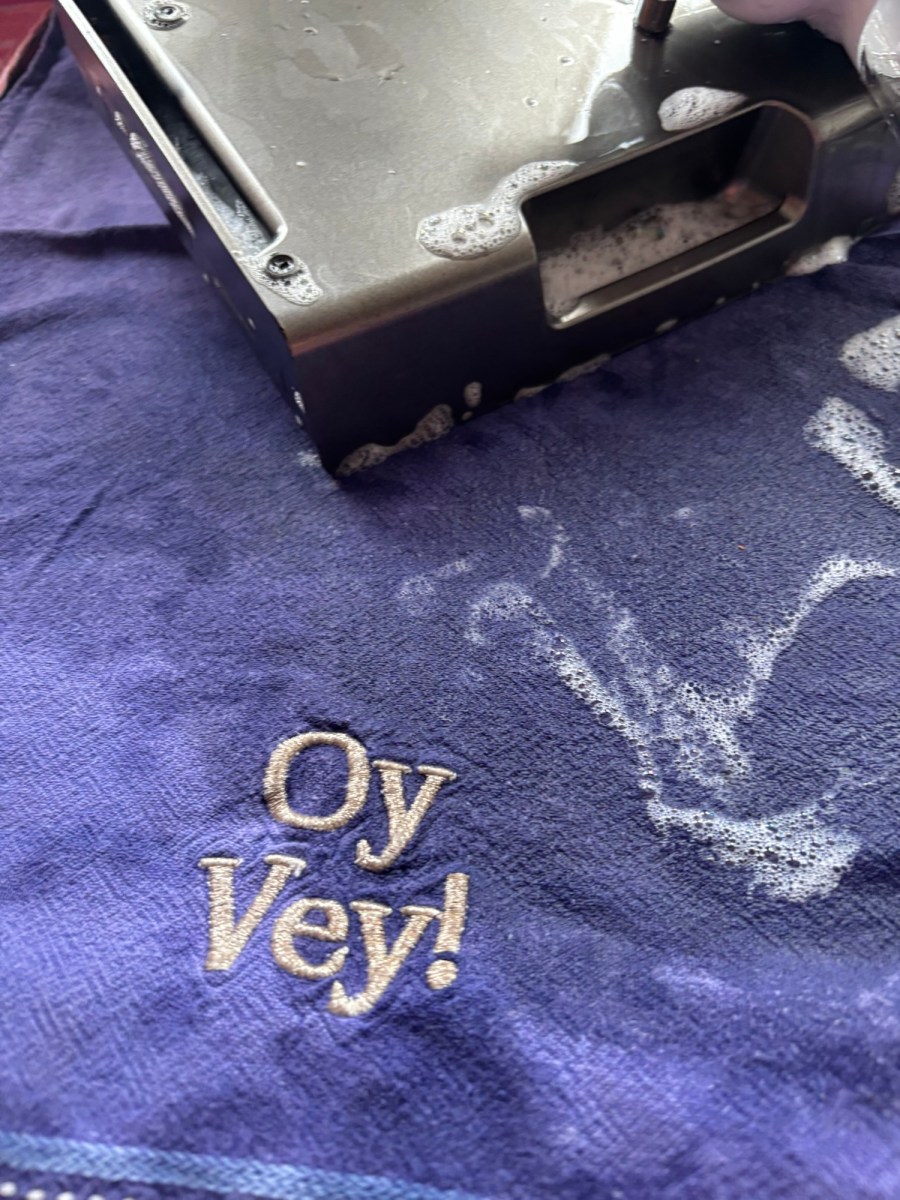
When I turned to dry my hands, I reached for a dish towel lying crumpled underneath some dishes on the counter. I bought it back when I still lived near you, at a time when certain words could still be worn lightly, almost playfully. The towel was already damp, heavy with water and the traces of its work, no longer able to dry anything else, waiting instead to be washed. The fabric has softened over the years, its edges slightly frayed now, and across it runs that familiar word, printed boldly:
Oy.
Back then, it felt like a wink — cultural shorthand, shared humor woven into cotton. Today it did not wink back. Standing there with the radio murmuring behind me, it sounded different. Heavier. Not because the word had changed, but because the world had.
In the Torah and the prophets, Oy is never decoration. It is the sound a human voice makes when it discovers, too late and too clearly, that something holy has been stepped across — and that there is no safe distance left.
Isaiah 6:5 אוֹי־לִי כִּי־נִדְמֵיתִי Oy-li ki nidmeiti
“And I said: Woe is me! I am lost, for I am a man of unclean lips, and I live among a people of unclean lips; yet my eyes have seen the King, the LORD of hosts!” (NRSV)
Here, Oy marks the moment of radical self-recognition, when proximity to holiness does not elevate but exposes, revealing how entangled human life is with what it tolerates and permits.
The Psalms carry a quieter version of the same cry — not sudden shock, but the ache of prolonged moral displacement:
Psalm 120:5 אוֹיָה לִּי כִּי־גַרְתִּי מֶשֶׁךְ Oyá li ki-garti Meshech
“Woe is me, that I am an alien in Meshech, that I must live among the tents of Kedar.” (NRSV)
This Oy belongs to those who remain committed to peace while living among systems that normalize force and disregard the vulnerable.
The rabbis did not soften this cry. They allowed it to mature into responsibility. In the Talmud it becomes communal, spoken by those who know that accountability cannot be deferred:
Berakhot 28b אוֹי לָנוּ מִיּוֹם הַדִּין Oy lanu mi-yom ha-din “Woe to us because of the Day of Judgment.”
And then, one evening, I discovered a passage that has not let go of me since. In a rabbinic reflection on the destruction of the Temple, even God is imagined as crying out:
Berakhot 3a אוֹי לִי שֶׁהֶחֱרַבְתִּי אֶת בֵּיתִי וְשֶׁשָּׂרַפְתִּי אֶת הֵיכָלִי וְהִגְלֵיתִי אֶת בָּנַי בֵּין הָאוּמּוֹת Oy li she-hechravti et beiti, ve-she-sarafti et heichali, ve-higleiti et banai bein ha-umot
“Woe to me that I have destroyed my house, burned my sanctuary, and exiled my children among the nations.”
What struck me here was not only the audacity of placing lament in God’s mouth, but the theology beneath it: power that does not absolve itself, but grieves what it has allowed to be lost.
When Jesus speaks centuries later, he does so entirely within this Jewish tradition. His sharpest words are framed as laments, not as insults, and at the edge of life he reaches for the oldest prayer he knows:
Mark 15:34 / Psalm 22:1 אֵלִי אֵלִי לָמָה עֲזַבְתָּנִי Eli, Eli, lama azavtani
“My God, my God, why have you forsaken me?” (NRSV)
Here, Oy is no longer spoken. It has become breath itself — prayer offered from abandonment without severing relationship.
The twentieth century stripped language even further. Paul Celan, born in 1920 in Czernowitz, a German-speaking Jew whose parents were murdered in the Shoah, knew that words themselves had been burned. Todesfuge does not explain; it repeats. It sings where speech breaks. It does not cry Oy — it inhabits it.
And now the word returns to me, standing in my kitchen in Germany, a damp towel waiting to be washed, the radio already moving on to the next item. Not as irony. Not as nostalgia. But as lament.
Oy — for lives taken in the service of power. Oy — for hands that rise because they are authorized to rise. Oy — for the quiet corrosion of human dignity.
It is an Oy for America, whose promises feel stretched thin.
An Oy for Germany, whose history obliges us to hear these echoes more clearly than most.
An Oy for a world that keeps mistaking dominance for order and control for safety.
I place the towel into the wash. The dishes are done. The room grows quiet. But the sound remains — not loud, not theatrical, just present.
Oy.
A sigh that does not accuse, but remembers. A breath that asks whether we are still willing to cleanse what clings to us — and whether we will choose, again and again, to become hands that mend rather than hands that take.
Der Altjahrsabend ist ein Tag der Rückschau. Wir erinnern uns an das, was wir erlebt haben – an Gelungenes und Schweres, an Abschiede und Neuanfänge. In all dem dürfen wir wahrnehmen, dass Gott uns begleitet hat, oft leise und unscheinbar. 2025 klingt aus, und mit 2026 beginnt ein neues Jahr. Was vor uns liegt, wissen wir nicht. Doch die Erfahrung von Gottes Begleitung im Vergangenen schenkt Zuversicht, dem Kommenden offen und wachsam zu begegnen.
In mancher Hinsicht war 2025 ein Jahr des Staunens und der Auseinandersetzung – gesellschaftlich, politisch und kirchlich. Gesellschaftliche Spannungen, Fragen nach Gerechtigkeit und der Umgang mit Vielfalt haben viele Debatten geprägt. Weltweit erschütterten uns anhaltende Kriege und bewaffnete Konflikte, besonders in Europa, im Nahen Osten und in Teilen Afrikas. Der Krieg in der Ukraine, der auch im dritten Jahr unermessliches Leid über die Zivilbevölkerung brachte, ebenso wie die anhaltende Gewalt im Heiligen Land – in Israel und im Gazastreifen – ließen viele nicht zur Ruhe kommen. Zerstörte Städte und Landschaften, Flucht, Angst und Trauer prägten die Bilder, die uns erreichten, und verstärkten die Sehnsucht nach einem gerechten und dauerhaften Frieden.
Zugleich haben wir das Engagement vieler Menschen für Solidarität und Zusammenhalt wahrgenommen: Ehrenamtliche in diversen sozialen Initiativen, Hilfsbereitschaft in Krisen und Katastrophen sowie kirchliche und zivilgesellschaftliche Netzwerke, die auch unter schwierigen Bedingungen tragfähig blieben. Auch kirchlich war dieses Jahr geprägt von Aufbrüchen und Unsicherheiten – von der Suche nach neuen Formen von Gemeinschaft, von Debatten über Verantwortung, Glaubwürdigkeit und Zukunft. In all dem waren wir eingeladen, genauer hinzuhören, Fragen auszuhalten und uns immer wieder neu zu verorten – zwischen Hoffnung und Sorge, zwischen dem Wunsch nach Stabilität und der Offenheit für Veränderung.
Zum Jahreswechsel greifen viele kirchliche Publikationen die jeweilige Jahreslosung auf und laden dazu ein, sie zu bedenken und weiterzudenken – so auch das evangelische Sonntagsblatt, dessen Lektüre ich an dieser Stelle gern empfehle.
Gott spricht: Siehe, ich mache alles neu!
Offb 21,5
Diese Worte begleiten das Jahr 2026 und öffnen einen weiten Horizont von Hoffnung und Erneuerung.
Was wird 2026 bringen?
Diese Frage stellt sich am Übergang in ein neues Jahr fast von selbst. Sie bleibt offen – und vielleicht ist gerade das ihre Stärke. Denn sie lädt weniger zu Prognosen ein als zu Aufmerksamkeit: für das, was kommt, und für das, was trägt, wenn der Weg noch nicht sichtbar ist.
Mathematisch ist die 26 eine gerade Zahl – und zugleich die Summe zweier Quadratzahlen: 1² und 5² ergeben zusammen 26. Quadratzahlen stehen für Geschlossenheit und eigene Ordnung. Dass hier das kleinste Quadrat und ein größeres Quadrat zusammenkommen, weist darauf hin, dass Klein und Groß, Unterschiedliches und Verschiedenes nebeneinander bestehen und gemeinsam etwas Neues bilden können. Vielleicht liegt darin ein leiser Hinweis darauf, dass Ganzheit nicht aus Gleichförmigkeit entsteht, sondern aus dem Zusammenspiel des Unterschiedlichen.
Physikalisch steht die 26 für Eisen. Als Ordnungszahl beschreibt sie ein Element, das unsere Welt prägt: Eisen trägt Brücken und Gebäude, hält Maschinen zusammen, gibt Werkzeugen Form und Halt. Es steht für Belastbarkeit, für Struktur und Verlässlichkeit – und zugleich für Formbarkeit. Eisen ist stark, aber nicht starr. Vielleicht erinnert die 26 daran, dass Stabilität nicht im Unveränderlichen liegt, sondern in der Fähigkeit, sich unter Druck zu bewähren.
Medizinisch begegnet uns die 26 auf einer anderen Ebene: im Eisen als Spurenelement des Körpers. Eisen ermöglicht den Transport von Sauerstoff im Blut und damit Energie, Konzentration und Lebenskraft. Wo es fehlt, werden Grenzen spürbar – Müdigkeit, Erschöpfung, Verletzlichkeit. Dass Leben gelingt, hängt hier nicht von Größe oder Stärke ab, sondern von einem feinen Gleichgewicht. Die 26 lenkt den Blick auf das Sorgsame, auf das, was gepflegt und geschützt werden will.
Biblisch erhält die 26 eine besondere Tiefe. In der hebräischen Zahlenmystik entspricht sie dem Gottesnamen JHWH. Sie steht für die Zusage: Ich bin da. Nicht als Antwort auf alle Fragen, sondern als Verheißung von Gegenwart und Begleitung – auch durch Ungewisses hindurch (Bibel).
Darüber hinaus begegnet uns die 26 an weiteren, ganz unterschiedlichen Stellen: als Anzahl der Buchstaben des lateinischen Alphabets, aus denen Worte, Texte und Verständigung entstehen; im Sport als Maß eines Marathons; oder in der Geografie mit den 26 Kantonen der Schweiz. Die Zahl taucht dabei nicht bedeutungsschwer auf, sondern ganz selbstverständlich – eingebettet in Sprache, Bewegung und Ordnung.
Ein Geschenk zum Jahreswechsel
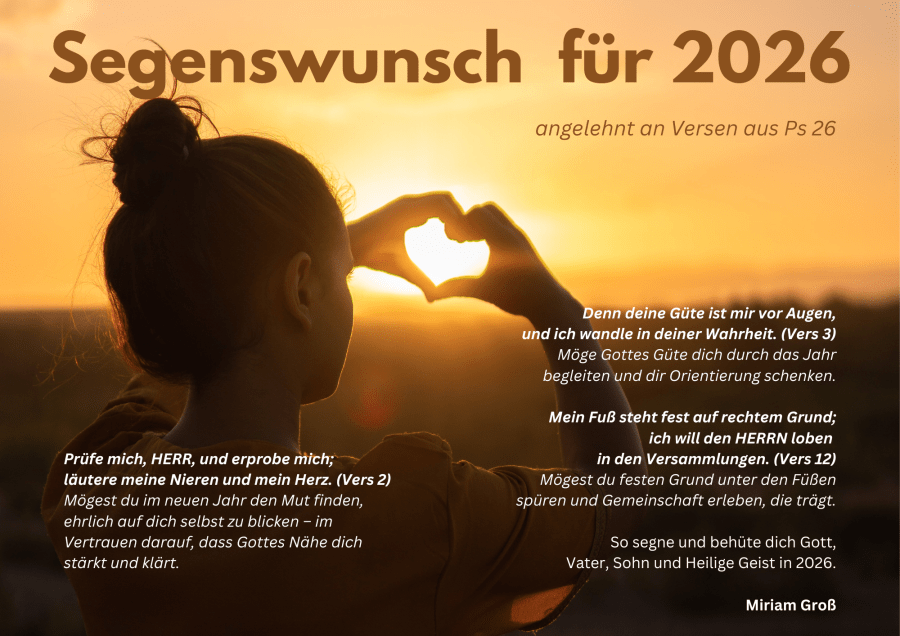
Zum Jahreswechsel möchte ich meinen Leserinnen und Lesern ein kleines Geschenk machen: Segensworte für das neue Jahr. Sie sind verbunden mit drei ausgewählten Versen aus Psalm 26, die den Segenswünschen ihren Rahmen geben – in der leisen Hoffnung, dass diese Gedanken Sie und euch durch das kommende Jahr begleiten mögen.
Prüfe mich, HERR, und erprobe mich; läutere meine Nieren und mein Herz. (Vers 2)
Mögest du im neuen Jahr den Mut finden, ehrlich auf dich selbst zu blicken – im Vertrauen darauf, dass Gottes Nähe dich stärkt und klärt.
Denn deine Güte ist mir vor Augen, und ich wandle in deiner Wahrheit. (Vers 3)
Möge Gottes Güte dich durch das Jahr begleiten und dir Orientierung schenken.
Mein Fuß steht fest auf rechtem Grund; ich will den HERRN loben in den Versammlungen. (Vers 12)
Mögest du festen Grund unter den Füßen spüren und Gemeinschaft erleben, die trägt.
So segne und behüte dich Gott, der Vater, der Sohn und der Heilige Geist, im neuen Jahr 2026.
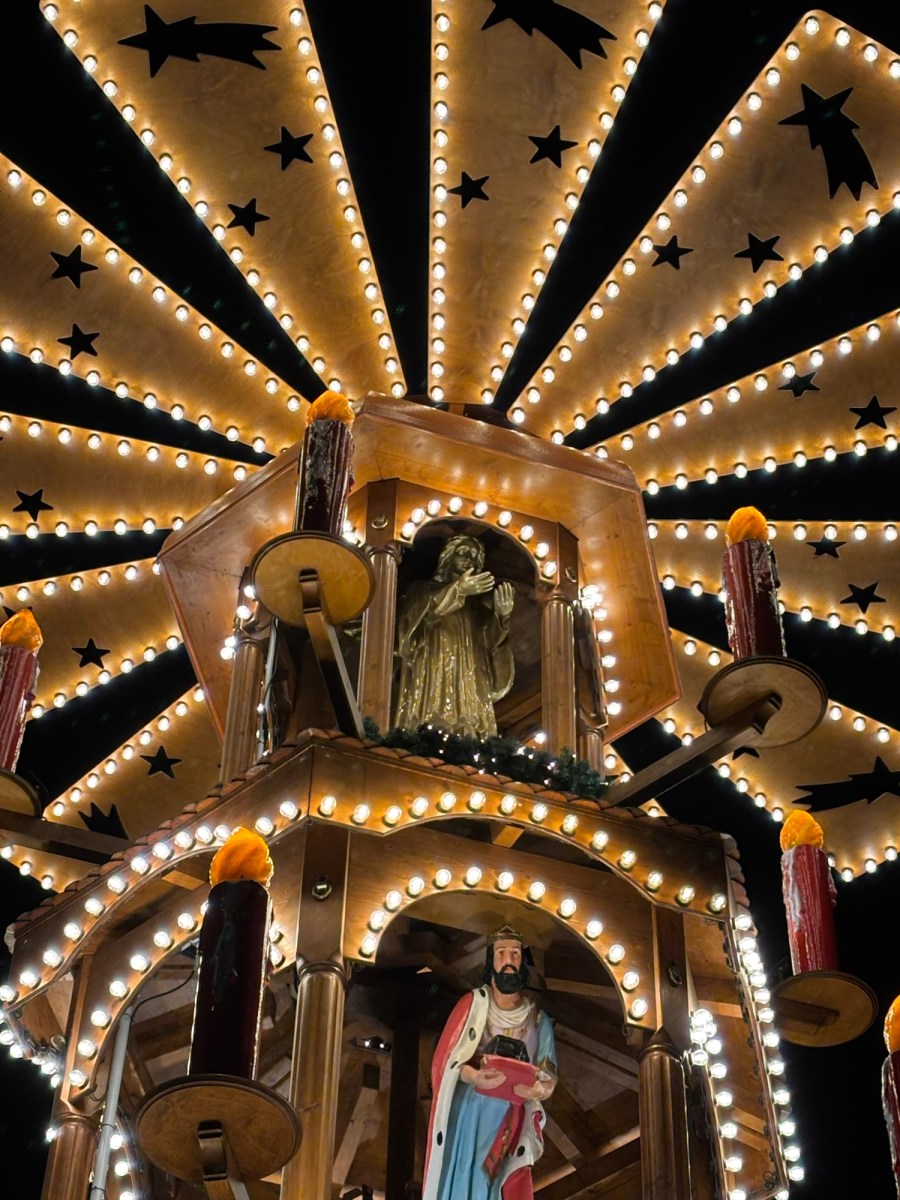
Helles Strahlen erleuchtete den sonst sehr nüchternen Bamberger Maxplatz an diesem kalten Dezemberabend. Mein Blick wanderte über die XXL-Weihnachtspyramide, die sich vor uns imposant am Rand des Bamberger Weihnachtsmarktes erhob. Geschäftiges Treiben mit freudig strahlenden Menschen, die einen Glühwein erworben hatten und ihn zu den wartenden Liebsten brachten, ergoss sich von der strahlenden Pyramide aus über Teile des Marktes.
Mein Blick löste sich langsam vom Gedränge unterhalb der Pyramide und fand Halt an ihrer untersten Ebene. Dort, wo die Krippenszene aufgebaut war, wirkte alles überraschend ruhig. Maria saß still, nicht idealisiert, sondern gegenwärtig. Josef stand etwas seitlich, nicht im Zentrum, eher wachend als präsentierend. Das Kind lag zwischen ihnen, nicht herausgehoben, sondern eingebettet. Ochs und Esel rahmten die Szene, als hielten sie den Raum. Die Figuren drehten sich gemächlich, als hätten sie alle Zeit der Welt, und ich hatte den Eindruck, dass genau darin ihre Wirkung lag.
Direkt darüber erschienen die drei Weisen. Sie standen bereits nahe beim Kind, nicht mehr unterwegs, sondern angekommen. Ihre Gaben hielten sie nicht erhoben, sondern zurückhaltend, beinahe vorsichtig. Ihre Körper waren dem Geschehen unter ihnen zugewandt, ihr Blick gesammelt. Es war kein Moment des Triumphs, sondern einer des Erkennens. Ein Verweilen, das nichts forderte.
Noch eine Ebene höher veränderte sich die Wahrnehmung. Hier löste sich der Blick vom Irdischen. Schließlich blieb er beim Engel stehen. Er erhob sich über die anderen und drehte sich langsam mit der Pyramide. Seine Arme waren geöffnet wie zwei Schalen oder wie eine Geste, die abwog.
Ich musste unwillkürlich lachen. Diese Geste war gerade in aller Munde. 67, so wurde sie genannt. Entstanden aus einem kurzen Video und Meme, vielfach geteilt, kommentiert, ironisiert. Eine Bewegung zwischen Abwägen und Achselzucken, zwischen Unsicherheit und stillem Einverständnis. Dass sie mir hier begegnete, in Holz geschnitzt und der Eile entzogen, wirkte zugleich komisch und erstaunlich passend.
Beim Engel jedoch verlor diese Geste ihre Flüchtigkeit. Sie wirkte nicht beiläufig, nicht witzig, nicht resigniert. Seine geöffneten Hände hielten nichts fest. Sie zeigten auf nichts. Sie ließen Raum. Vielleicht war er ratlos. Nicht grundsätzlich, nicht existenziell, sondern auf diese leise, freundliche Weise, die entsteht, wenn alles Wesentliche da ist und sich dennoch die Frage stellt, ob es auch wahrgenommen wird.
Vielleicht galt sein Blick nicht der Darstellung unter ihm, sondern den Menschen. Dem bunten Treiben auf dem Maxplatz, dem Kommen und Gehen, dem Lachen, den Gesprächen, die sich mit Musik und Glühweinduft vermischten. Vielleicht fragte er sich, ob die Botschaft, die dort unten so klar vor Augen stand, hier auch gehört wurde. Ob sie ankam zwischen Bechern und Begegnungen. Ob das Wort, das Fleisch geworden war, Resonanz fand.
Und doch lag in seiner Haltung nichts Forderndes. Keine Ungeduld. Keine Mahnung. Vielleicht wusste dieser Engel um den Unterschied der Zeiten. Darum, dass Gottes Zeit nicht mit der unseren zusammenfällt. Dass Menschen hören, wenn sie hören wollen – nach ihrem eigenen Belieben. Und dass das göttliche Wort nicht vergeht, auch wenn es vielleicht übersehen wird.
„Und das Wort ward Fleisch und wohnte unter uns, und wir sahen seine Herrlichkeit, eine Herrlichkeit als des eingeborenen Sohnes vom Vater, voller Gnade und Wahrheit.“
Joh 1,14 (Lut 2017)
Vielleicht war diese Geste deshalb so vertraut. Nicht, weil sie gerade populär war, sondern weil sie älter ist als jeder Trend. Offene Hände. Ein Abwägen ohne Ungeduld. Ein Wissen darum, dass sich Wahrheit nicht beschleunigen lässt.
Bei den Engeln, dachte ich, ist diese Bewegung zeitlos. Kein Schulterzucken. Kein Zeichen von Ratlosigkeit im menschlichen Sinn. Eher ein Aushalten dessen, was noch unterwegs ist. Ein Halten der Zwischenzeit.
Der Engel drehte sich weiter. Gelassen. Mit offenen Händen.
Ich tauchte erheitert und zugleich getröstet aus meinen Gedanken auf, als mein Mann meine Hand drückte und mich ansah. Ob wir einen Glühwein trinken wollten, fragte er, ganz selbstverständlich, als wäre nichts geschehen.
Ich nickte.
Bevor wir uns umdrehten, hob ich noch einmal den Blick. Der Engel drehte sich weiter, gelassen, die Hände offen. Ich schickte ihm ein stilles, dankbares Lächeln. Für die Erinnerung daran, dass nicht immer alles erklärt, nicht alles begriffen, nicht alles sofort klar sein musste.
Zu Gottes Zeit würde offenbar werden, was jetzt noch offen blieb. Das Wort Gottes war längst da. Und für diese Zwischenzeit war das genug.